

Permanent hair transplantation is one of the most effective hair restoration solutions for enhancing confidence and creating a more balanced facial appearance for individuals experiencing thinning hair, hair loss, receding hairlines, or baldness.
The foundation of permanent hair transplantation involves relocating healthy hair follicles from the donor area at the back of the scalp, where the hair follicles are naturally stronger and less affected by DHT hormones, to areas affected by thinning hair or baldness.
DHI (Direct Hair Implantation) is an advanced development of the FUE hair transplant technique. This technology uses a specialized implantation tool that enables hair grafts to be placed directly into the scalp with high precision. The DHI technique enables the surgeon to carefully control the depth, direction, and angle of each implanted hair follicle, resulting in a more natural-looking hairline, consistent density, and a customized look that complements each individual’s facial structure.
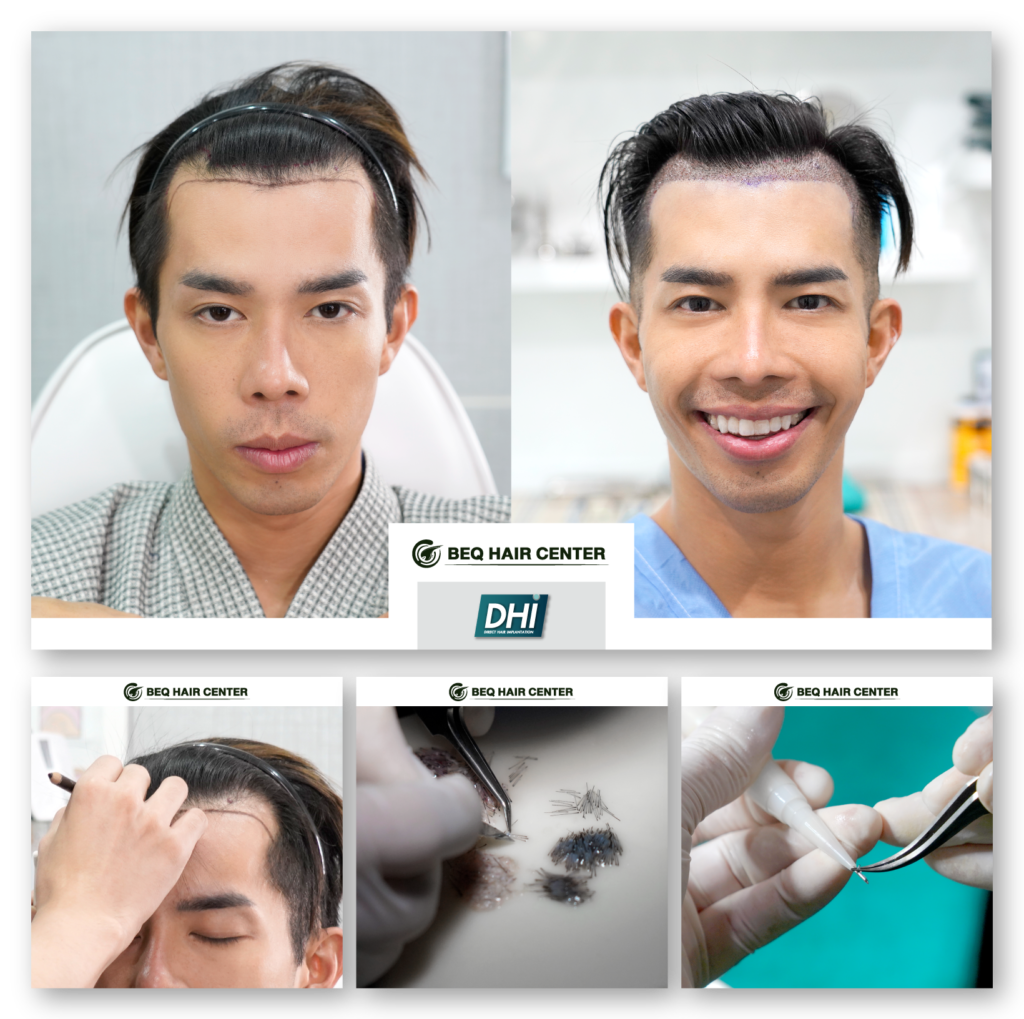

DHI (Direct Hair Implantation) is more than simply increasing the number of hair strands. It is a highly precise hair restoration technique that focuses on designing a natural-looking hairline and carefully controlling the direction and angle of each implanted hair follicle to complement each individual’s facial structure. At BEQ Hair Clinic, we pay close attention to every step of the process, from detailed scalp and hair analysis, graft selection, to the meticulous implantation procedure itself.
Every treatment at BEQ Hair Clinic is performed and supervised by experienced hair restoration specialists who understand the importance of creating a hairline that matches each patient’s facial proportions, age, and overall appearance. Our goal is to achieve results that look soft, natural, and balanced, and help patients feel more confident in their daily lives.
We also place strong emphasis on graft quality throughout every stage of the procedure. From careful graft selection and preservation in specialized graft storage solutions to precise implantation techniques, every step is designed to minimize graft damage and maximize graft survival for long-lasting, natural-looking results.
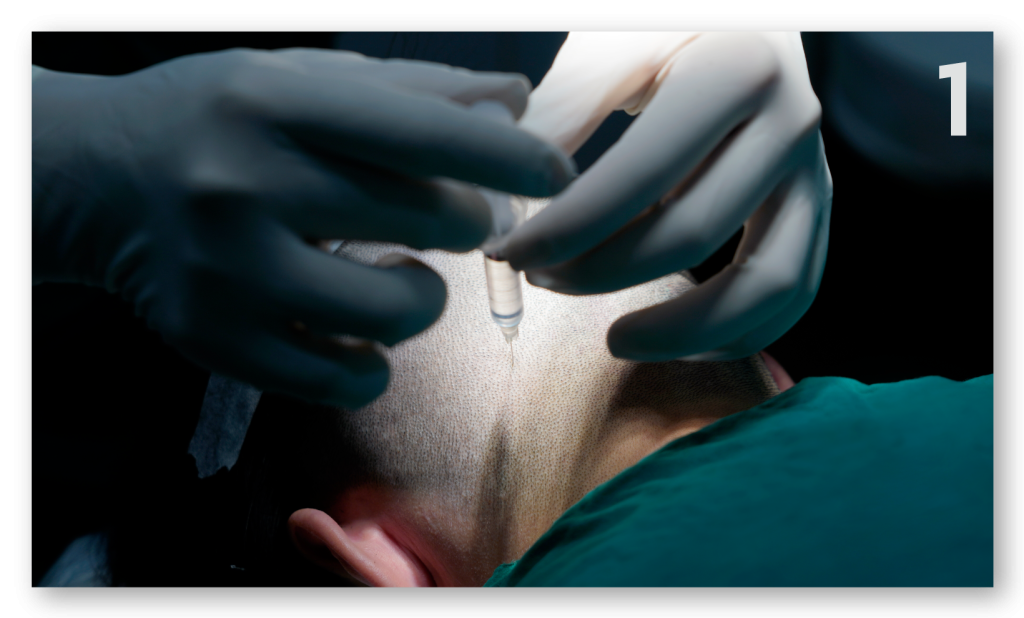
The surgeon will trim or shave the hair at the back of the scalp, known as the Donor Area, where the hair follicles are naturally less affected by DHT hormones. This preparation allows for easier and more precise graft extraction. Local anesthesia is then administered to ensure patient comfort throughout the procedure. Patients remain fully conscious during the hair transplant process but experience minimal discomfort and no significant pain.
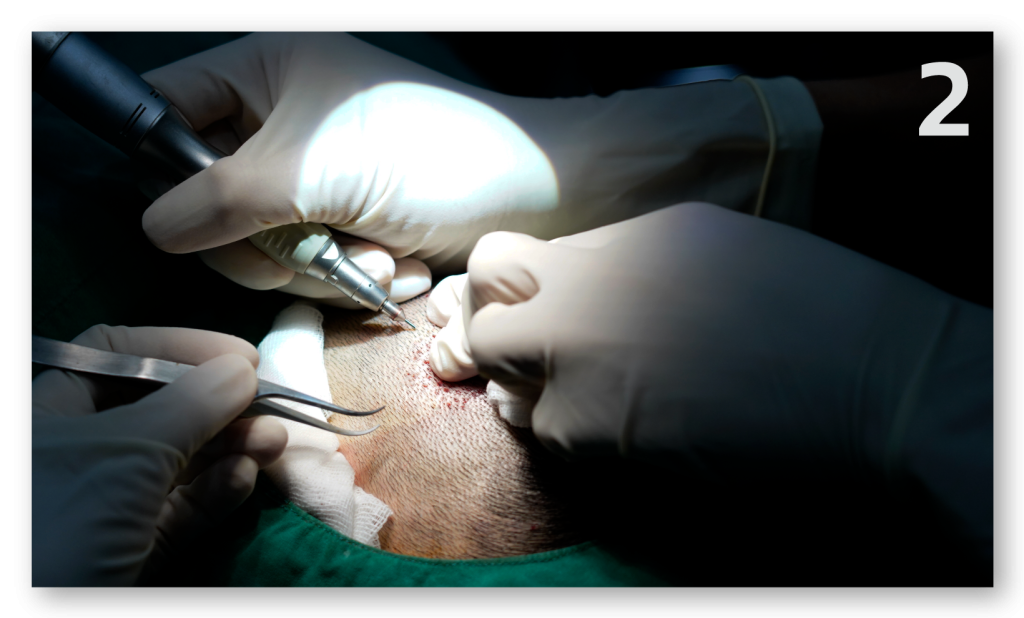
Once the local anesthesia has taken effect, the surgeon uses a specialized micro-punch device measuring only 0.6–0.8 millimeters in diameter to carefully extract individual hair follicles. This advanced extraction technique helps minimize trauma to the hair grafts and surrounding follicle cells, reducing unnecessary damage and supporting higher graft survival rates.
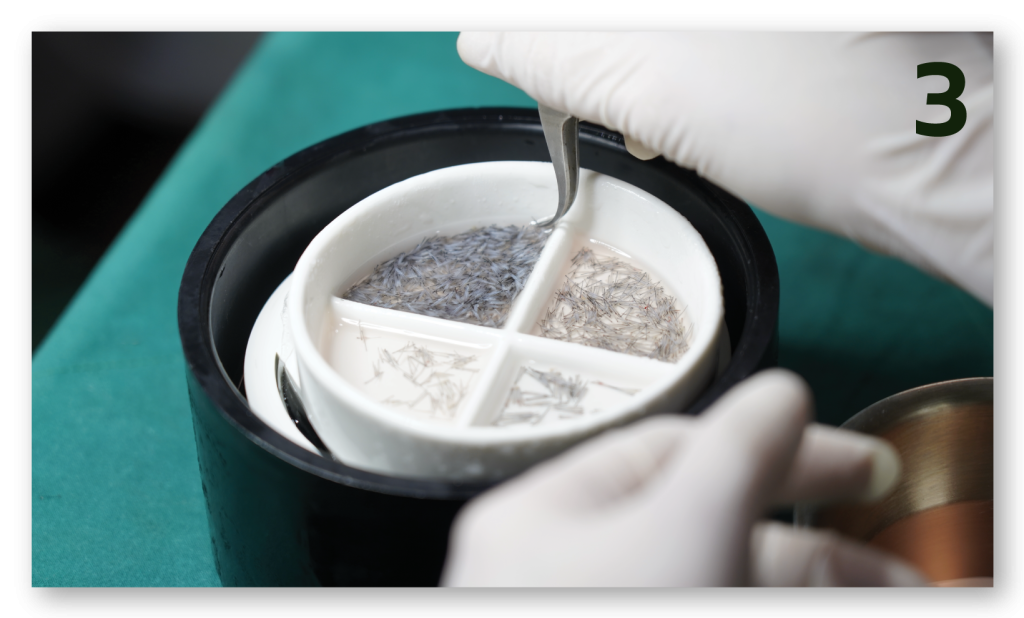
The extracted hair grafts are meticulously prepared and handled with great care by the medical team. Each graft is carefully sorted according to the number of hair follicles it contains, allowing the surgeon to strategically implant different graft types into specific areas of the scalp for the most natural-looking density and hairline design.
During this stage, the grafts are preserved in a specialized graft preservation solution formulated to help improve graft survival rates and support healthy graft growth after transplantation.
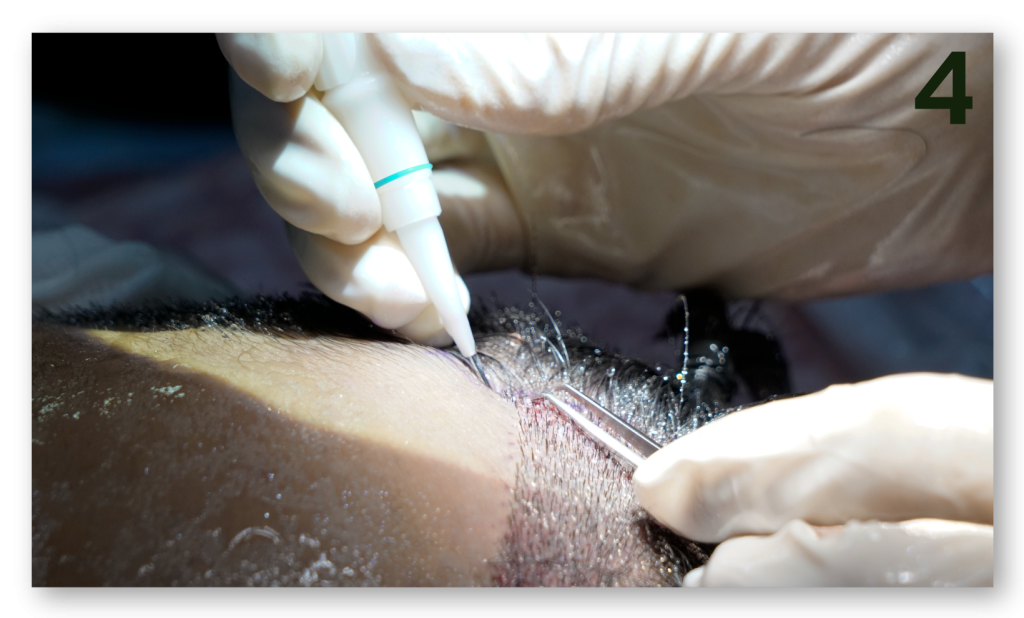
The extracted hair grafts are carefully prepared and refined by the medical team with meticulous attention to detail. Each graft is sorted according to the number of hair follicles it contains, allowing different graft types to be strategically implanted into specific areas of the scalp for the most natural-looking density and hairline design.
During the preparation process, the grafts are preserved in a specialized graft storage solution formulated to help improve graft survival rates and enhance healthy graft growth after transplantation.
After the hair transplantation procedure is completed, the medical team at BEQ Hair Clinic will carefully dress the donor area and provide a protective cap to help minimize trauma to the newly implanted hair grafts during the critical first day after the procedure, when the new grafts are beginning to stabilize and attach to the scalp.
On the following day, patients will return to the clinic for detailed scalp cleansing and post-procedure care performed by the medical team before resuming their normal daily activities. In addition, BEQ Hair Clinic provides continuous follow-up appointments throughout the first year after the procedure to closely monitor hair growth progress and ensure optimal, natural-looking, and long-lasting results.
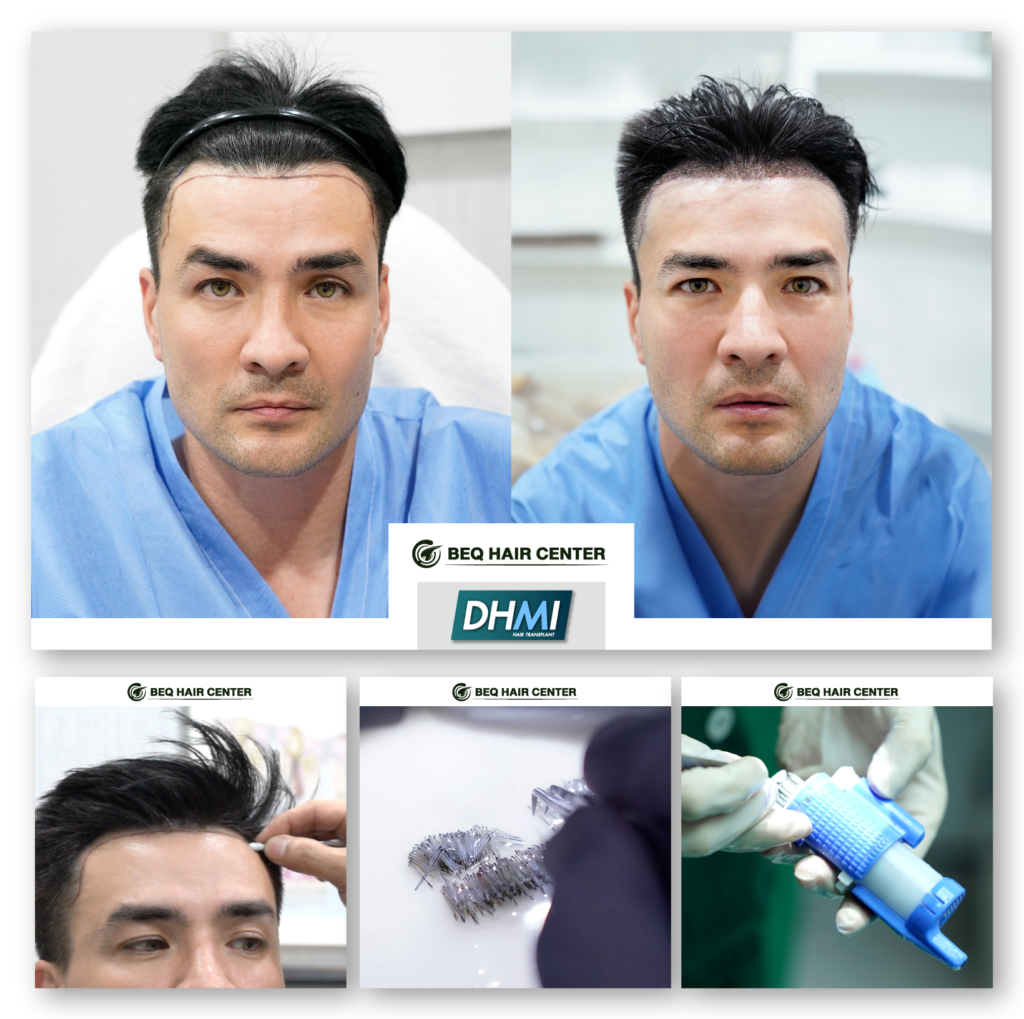
As hair restoration technology continues to evolve, advanced implantation devices have been developed to improve procedural efficiency, reduce graft handling time, and enhance overall treatment outcomes. These innovations are designed to optimize surgical precision while allowing surgeons to perform hair transplantation more effectively and efficiently.
DHMI (Direct Hair Multi-Implantation) is an advanced evolution of the DHI Hair Transplant technique, utilizing a specialized Direct Hair Multi-Implanter device. While the fundamental principles remain similar to DHI Hair Transplantation, the DHMI technique allows up to 10 hair grafts to be implanted simultaneously during the implantation process.
This advanced implantation system helps significantly reduce procedure time and minimizes the amount of time hair grafts remain outside the body before implantation. By shortening graft out-of-body time, DHMI may help improve graft survival rates, support healthier graft growth, and enhance overall hair transplantation results while maintaining natural-looking density and precision.
We use specialized tools to plant and plant in one go. So it can control the depth, frequency, and direction of the hair roots, making them look thick, dense, and natural.
Hair transplant using the DHI technique heals quickly, with no need to recuperate, and has high safety.
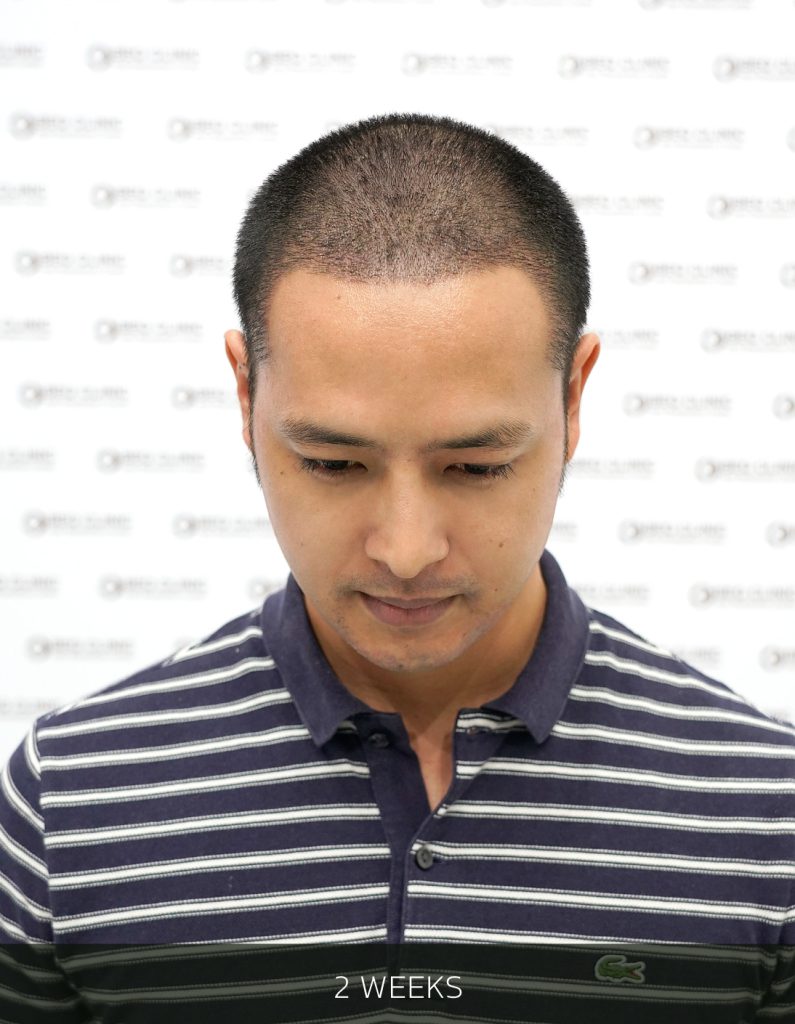
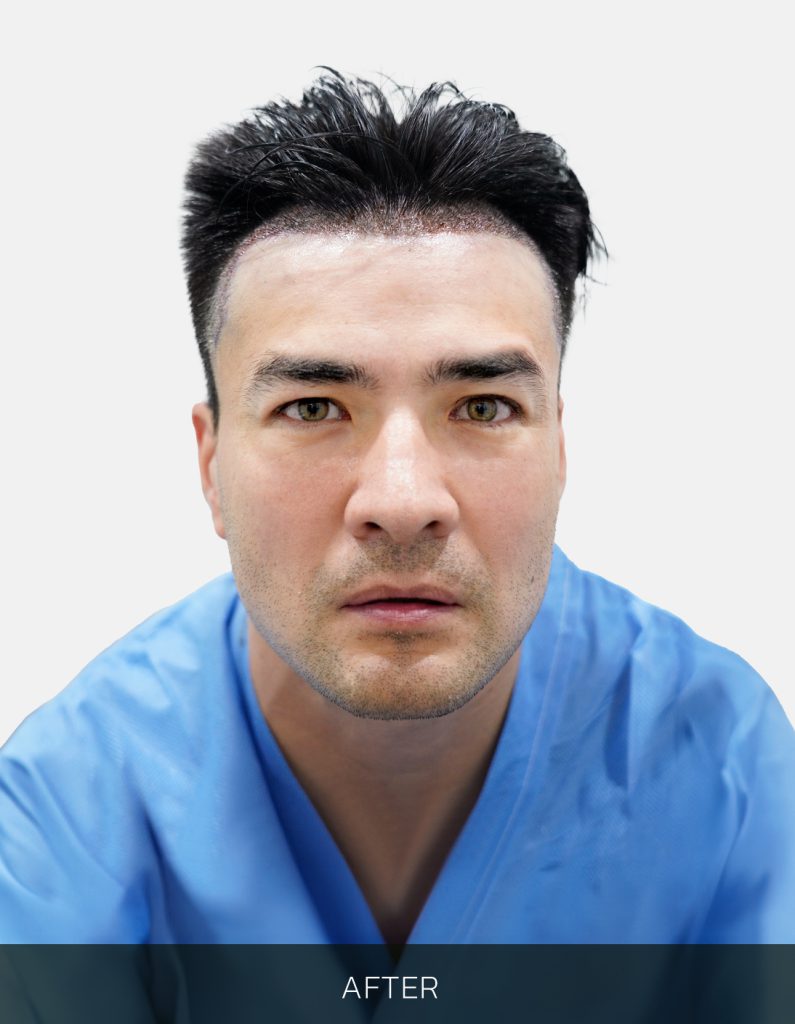
By growing hair with this innovation, you can see the hairline immediately after the hair transplant is complete. There is absolutely no impact on daily life.
DHI (Direct Hair Implantation) is an advanced hair transplant technique developed from FUE (Follicular Unit Extraction). This method uses a specialized implantation tool to directly place hair grafts into the scalp, allowing the doctor to precisely control the direction, depth, and angle of each hair follicle.
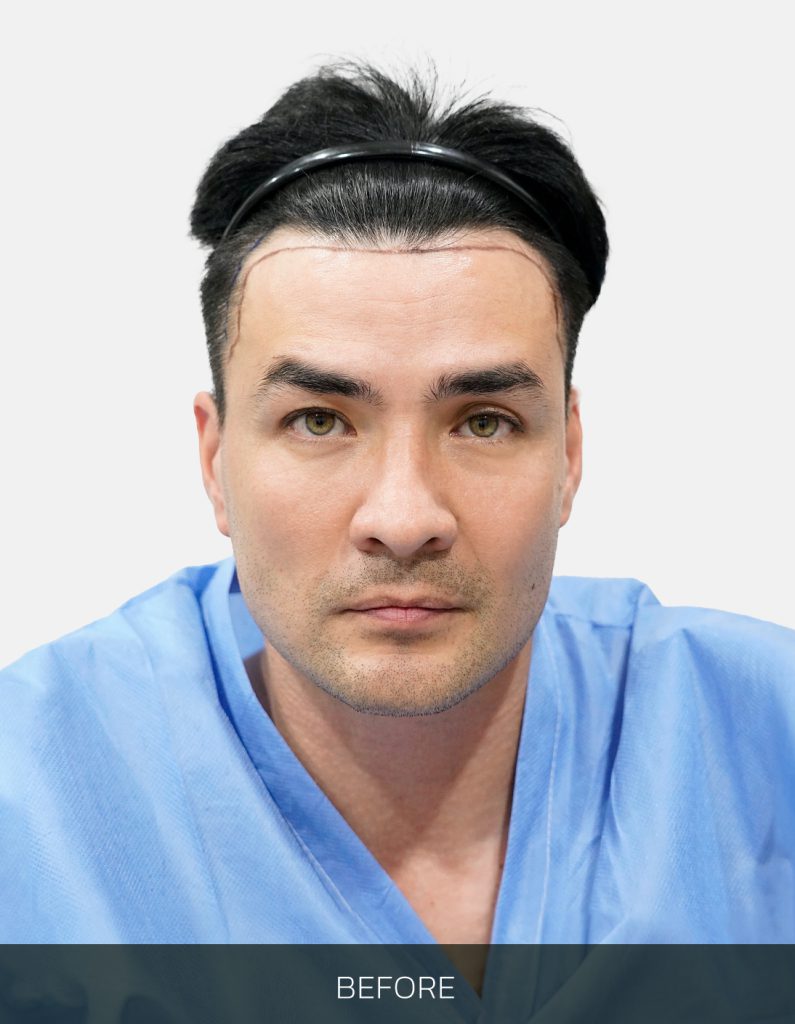
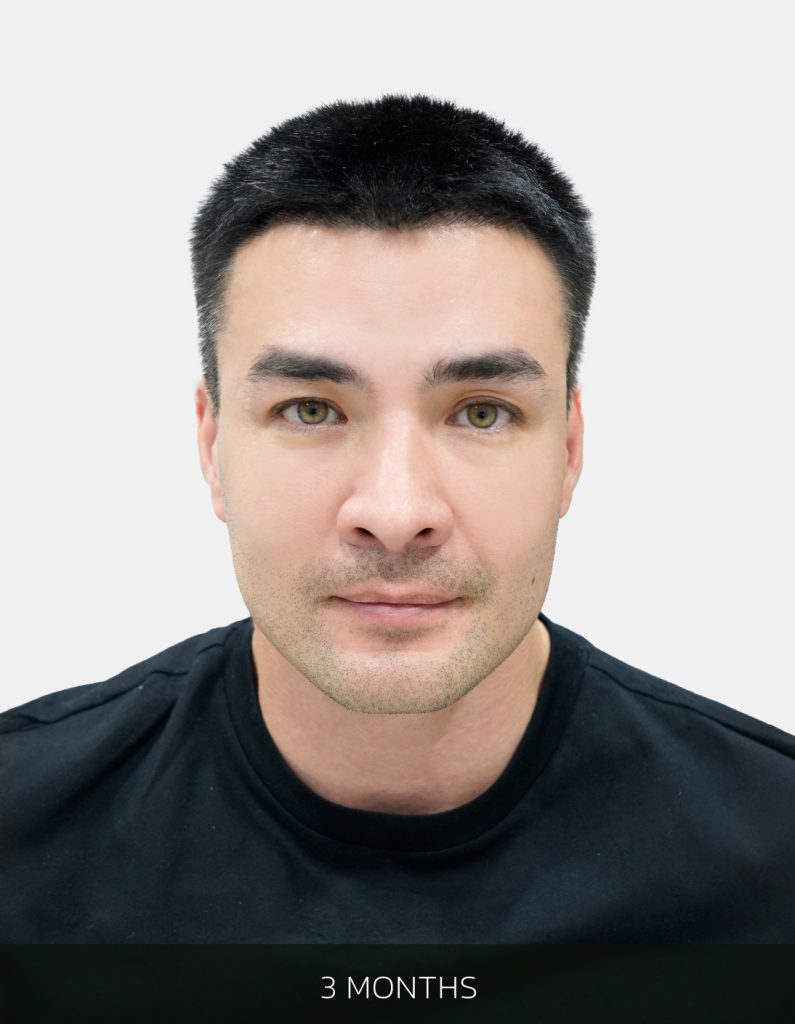
As a result, DHI Hair Transplant can provide a more natural-looking hairline, improved density, and consistent results tailored to each individual’s facial structure and hair pattern.
DHI Hair Transplant follows a similar graft extraction process to FUE (Follicular Unit Extraction). However, the main difference lies in the implantation stage. DHI uses a specialized tool called a DHI Implanter to directly implant hair grafts into the scalp, helping reduce unnecessary handling of the grafts while improving precision in controlling the angle, direction, and alignment of the hair.
During the procedure, local anesthesia is applied to ensure patient comfort throughout the treatment. Patients remain awake during the procedure but generally do not feel pain while the hair grafts are being implanted. Mild tightness or soreness may occur after the procedure, although these symptoms usually improve within a few days.
DHI Hair Transplant is designed to minimize trauma to the scalp, resulting in a relatively short recovery period. Most patients can return to their normal daily activities or work shortly after the procedure, depending on individual aftercare and lifestyle.
DHI allows doctors to precisely control the direction and angle of each implanted hair follicle. This helps create a softer, more natural-looking hairline and overall appearance that complements each individual’s facial structure.
DHI Hair Transplant is suitable for individuals experiencing hair thinning, receding hairlines, baldness, or those looking to increase hair density. Doctors will evaluate each patient’s condition and donor hair availability before creating a personalized treatment plan.
After the procedure, patients should avoid touching or applying pressure to the transplanted area, refrain from strenuous activities, and carefully follow the doctor’s aftercare instructions. Regular follow-up appointments are also recommended to monitor healing and long-term hair growth results.
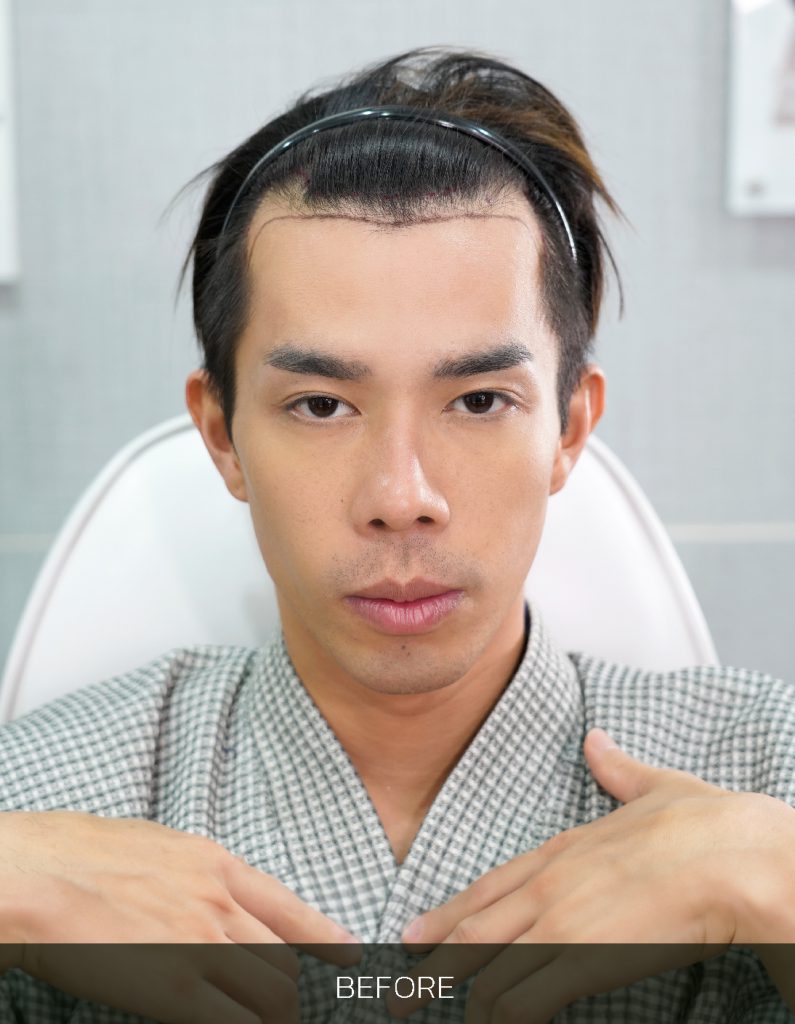
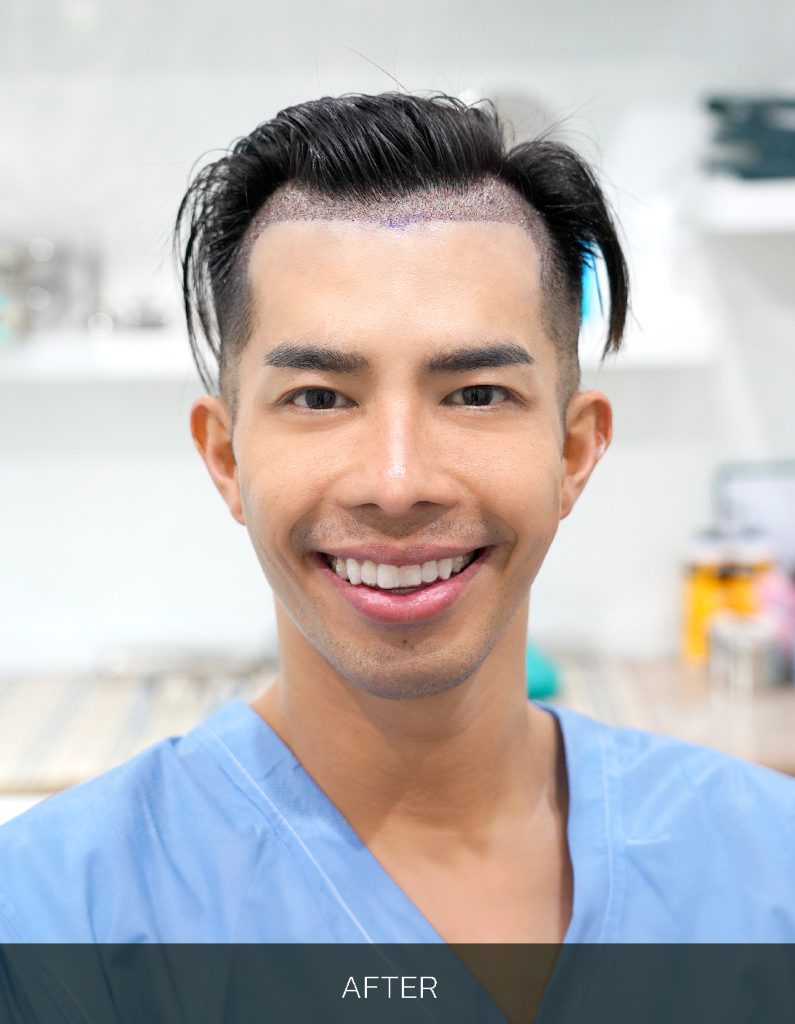
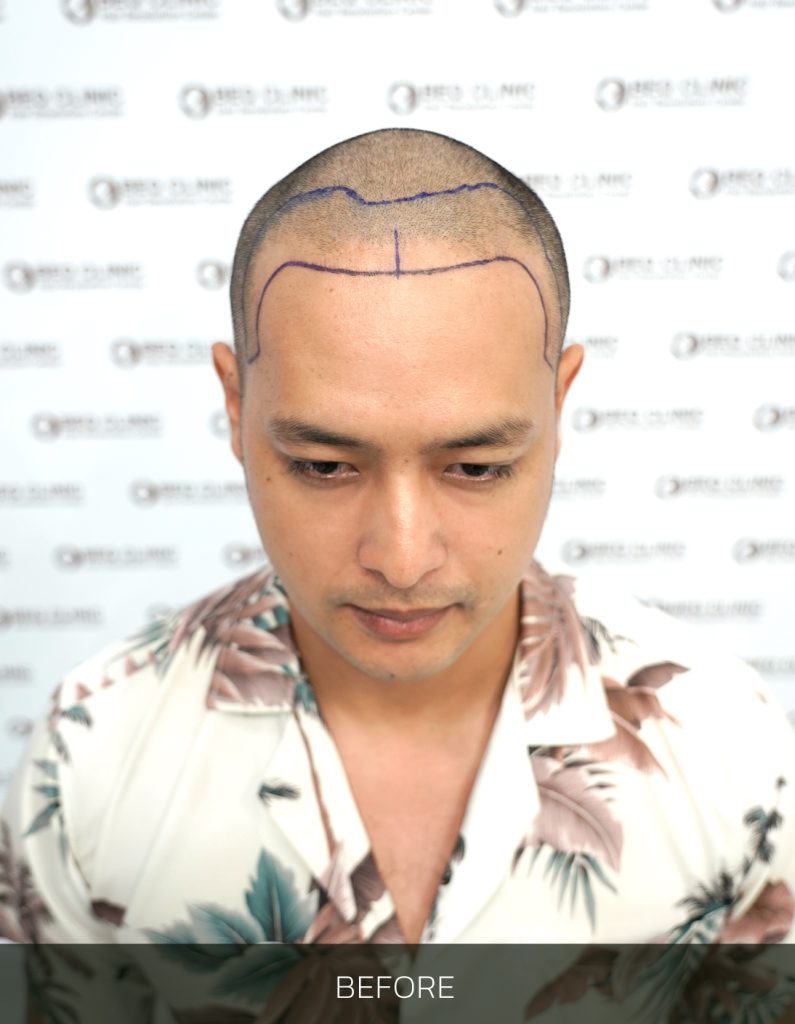
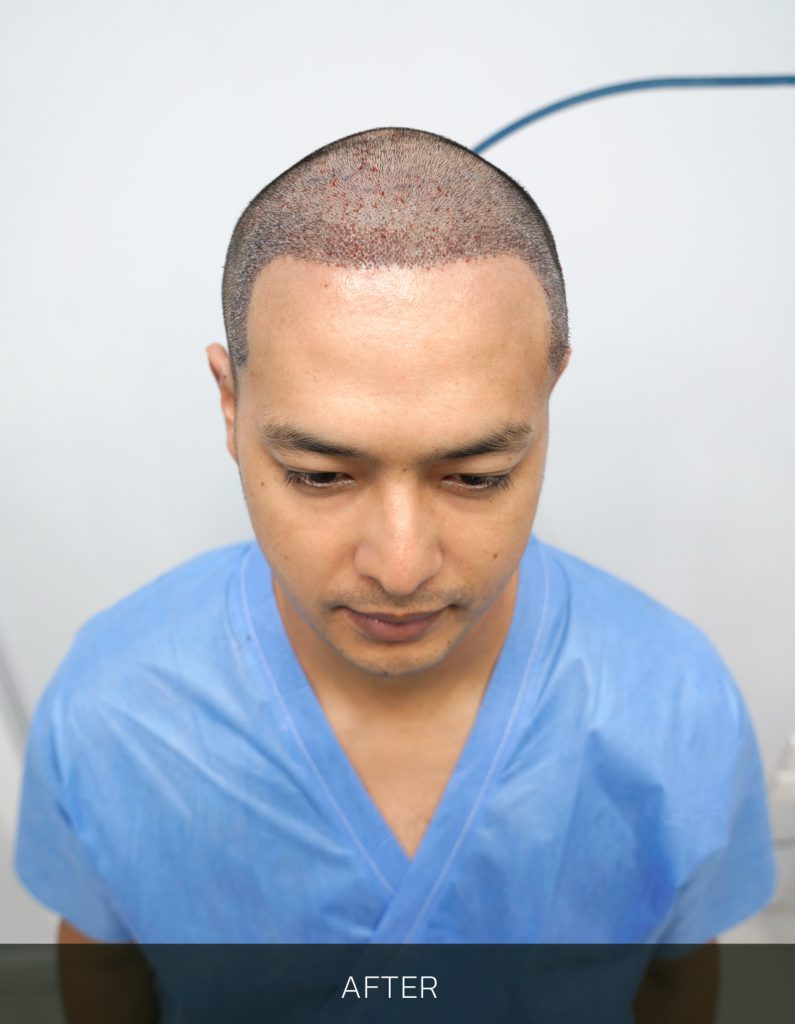
At BEQ Hair Clinic, every step of the hair transplant procedure is performed by experienced hair restoration doctors. Each hairline is carefully designed to match the patient’s facial structure and natural hair characteristics, helping achieve natural-looking density and long-lasting results.

เราใช้คุกกี้เพื่อพัฒนาประสิทธิภาพ และประสบการณ์ที่ดีในการใช้เว็บไซต์ของคุณ คุณสามารถศึกษารายละเอียดได้ที่ นโยบายความเป็นส่วนตัว และสามารถจัดการความเป็นส่วนตัวเองได้ของคุณได้เองโดยคลิกที่ ตั้งค่า
คุณสามารถเลือกการตั้งค่าคุกกี้โดยเปิด/ปิด คุกกี้ในแต่ละประเภทได้ตามความต้องการ ยกเว้น คุกกี้ที่จำเป็น
Allow Allประเภทของคุกกี้มีความจำเป็นสำหรับการทำงานของเว็บไซต์ เพื่อให้คุณสามารถใช้ได้อย่างเป็นปกติ และเข้าชมเว็บไซต์ คุณไม่สามารถปิดการทำงานของคุกกี้นี้ในระบบเว็บไซต์ของเราได้
ซึ่งเป็นคุกกี้ประเภทที่จดจำสิ่งที่ผู้ใช้บริการเลือกหรือตั้งค่าบนเว็บไซต์เช่น ชื่อบัญชีผู้ใช้ภาษา ฟ้อนต์และรูปแบบการนำเสนอ ข้อมูลต่าง ๆ ที่ตรงความต้องการเฉพาะบุคคลให้แก่ผู้ใช้บริการได้มากขึ้นตามการตั้งค่าที่เลือกไว้
คุกกี้ประเภทนี้จะทำการเก็บข้อมูลการใช้งานเว็บไซต์ของคุณ เพื่อเป็นประโยชน์ในการวัดผล ปรับปรุง และพัฒนาประสบการณ์ที่ดีในการใช้งานเว็บไซต์ ถ้าหากท่านไม่ยินยอมให้เราใช้คุกกี้นี้ เราจะไม่สามารถวัดผล ปรังปรุงและพัฒนาเว็บไซต์ได้
คุกกี้ประเภทนี้จะเก็บข้อมูลต่าง ๆ รวมทั้งข้อมูลวส่วนบบุคลเกี่ยวกับตัวคุณเพื่อเราสามารถนำมาวิเคราะห์ และนำเสนอเนื้อหา ให้ตรงกับความเหมาะสมกับความสนใจของคุณ ถ้าหากคุณไม่ยินยอมเราจะไม่สามารถนำเสนอเนื้อหาและโฆษณาได้ไม่ตรงกับความสนใจของคุณ