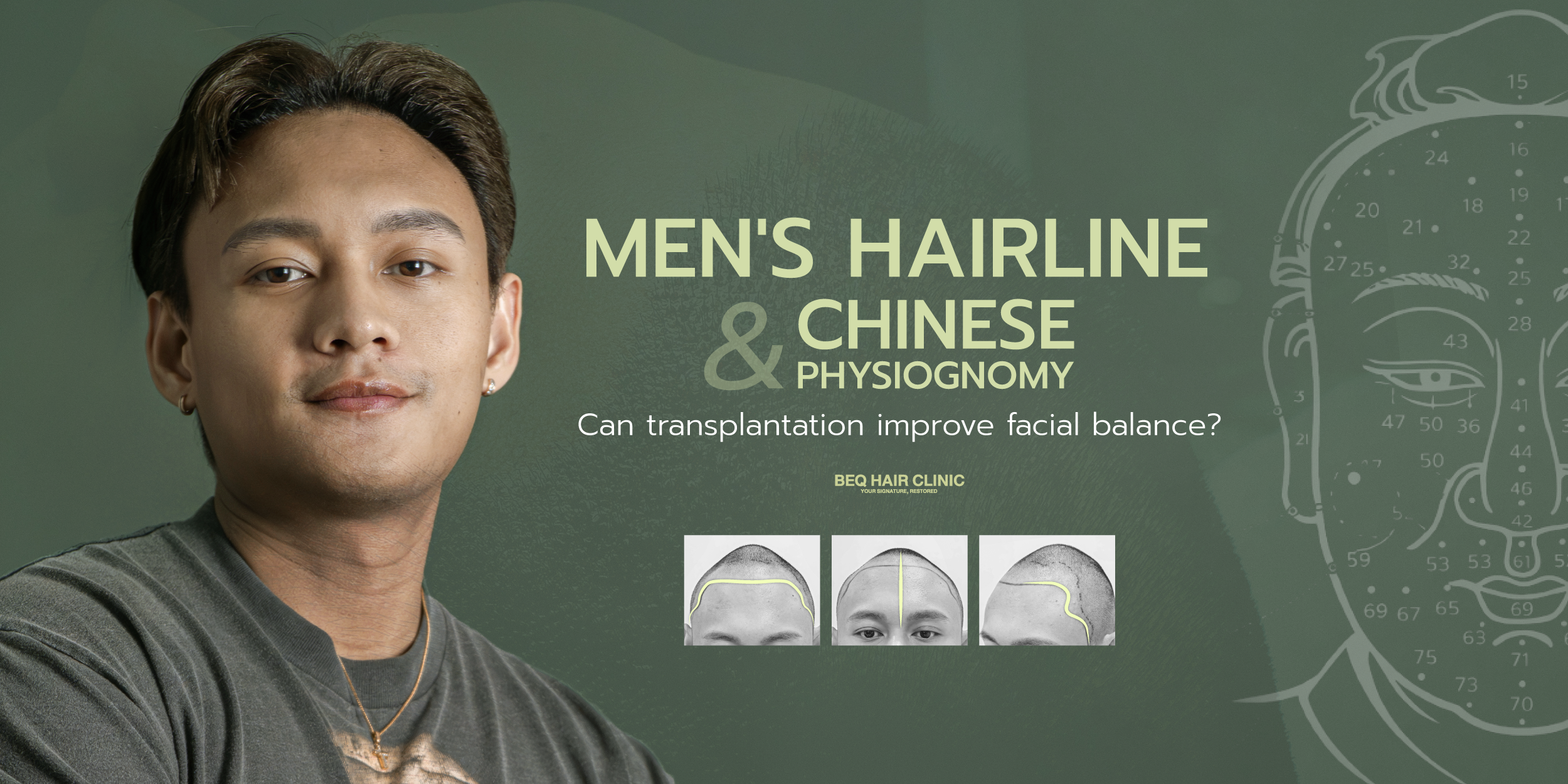
A Medical Guide to Natural M-Shaped Hairlines, Forehead Proportions, and Temple Design
Should You Expose Your Forehead for Prosperity or Restore Your Temples for Good Fortune? A Hair Transplant Surgeon’s Perspective
In business and negotiations, credibility is often judged within the first few seconds of meeting someone. In traditional Chinese physiognomy, known as Mian Xiang (面相), the forehead and facial frame are regarded as important symbols of fortune and authority.
A question hair transplant physicians frequently hear from executives, business owners, and other male patients is: “Doctor, if I lower my hairline too much, will it affect my Chinese physiognomy or diminish my good fortune?”
From a medical perspective, the answer is not to expose as much forehead as possible or to cover every recessed area. Rather, successful hairline design depends on achieving harmony with each patient’s facial proportions, age, hair characteristics, and anatomical structure. For patients who value traditional face-reading principles, these cultural preferences may also be considered alongside medical and aesthetic judgment.
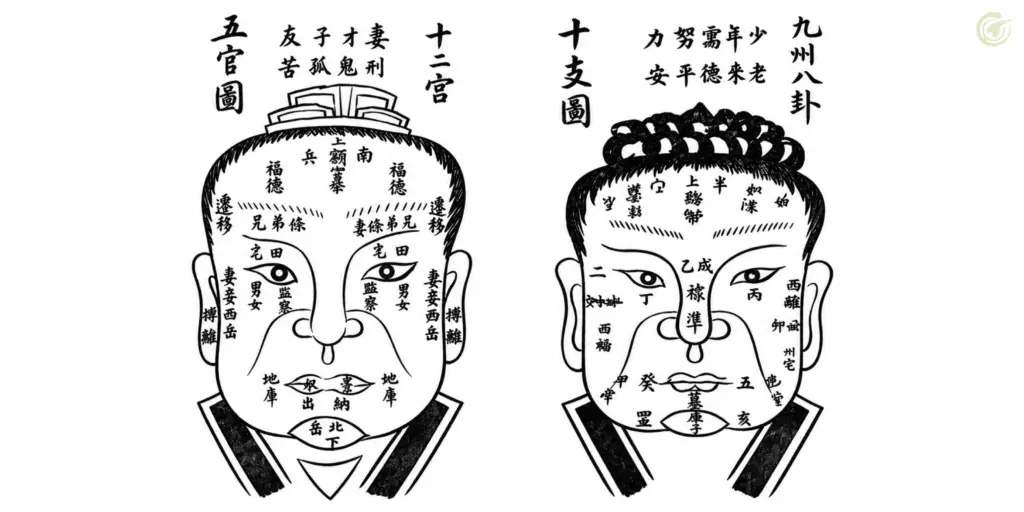
Three Important Forehead Areas in Chinese Physiognomy — and What Hair Transplant Medicine Says
Traditional Chinese face-reading texts identify three significant forehead regions associated with life opportunities, career development, and wealth. If you are considering hair transplantation or another aesthetic procedure in these areas, it is useful to distinguish these traditional interpretations from medical considerations.
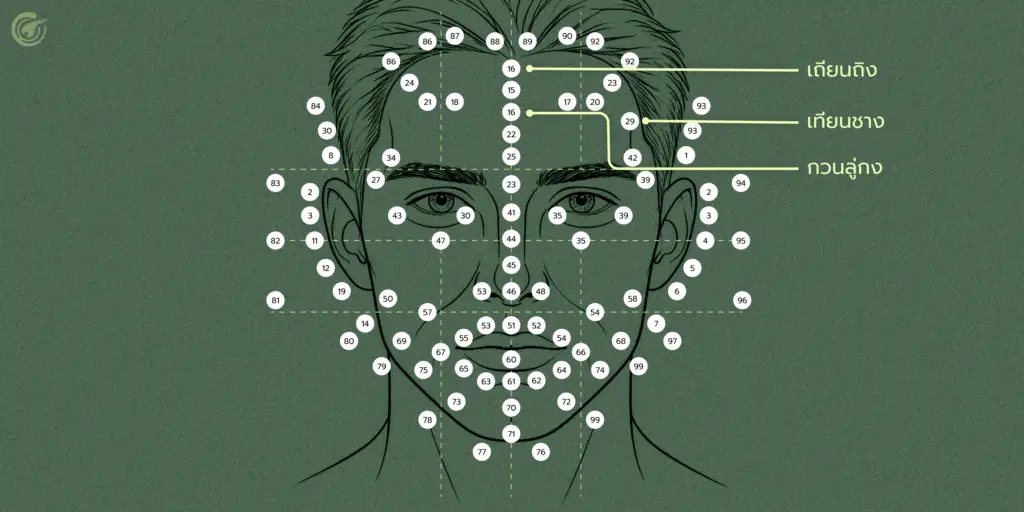
1. Tian Ting (天庭): The Region of Fortune and Vision
Location: The upper forehead, approximately 1 cm below the hairline.

Traditional face-reading perspective: Tian Ting is associated with heavenly fortune, support from influential people, intelligence, opportunities, and advancement. A full, proportionate forehead is traditionally interpreted as a sign of broad vision and leadership potential.
Medical hair transplant perspective: Some men with a high forehead wish to lower their hairline substantially to achieve a more youthful appearance. However, excessive lowering may make the forehead appear short or visually crowded and disrupt facial balance.
For men seeking a mature, composed appearance, preserving an appropriate forehead height may be more aesthetically suitable than lowering the hairline as far as possible. Physicians therefore assess hairline height using anatomical landmarks, including the glabella, the area between the eyebrows.
In some male patients, a distance of approximately 7–9 cm from the glabella to the central hairline may serve as an initial reference. This is not a universal standard: age, head shape, facial proportions, and the likelihood of future hair loss must also be considered.
Key principle: Forehead hair transplantation is not about creating the shortest possible forehead. It is about selecting a hairline height that looks balanced and natural today and continues to suit the face with age.
2. Tian Cang (天倉): The Heavenly Storehouse and Wealth Region
Location: The temples and lateral forehead above the outer ends of the eyebrows.
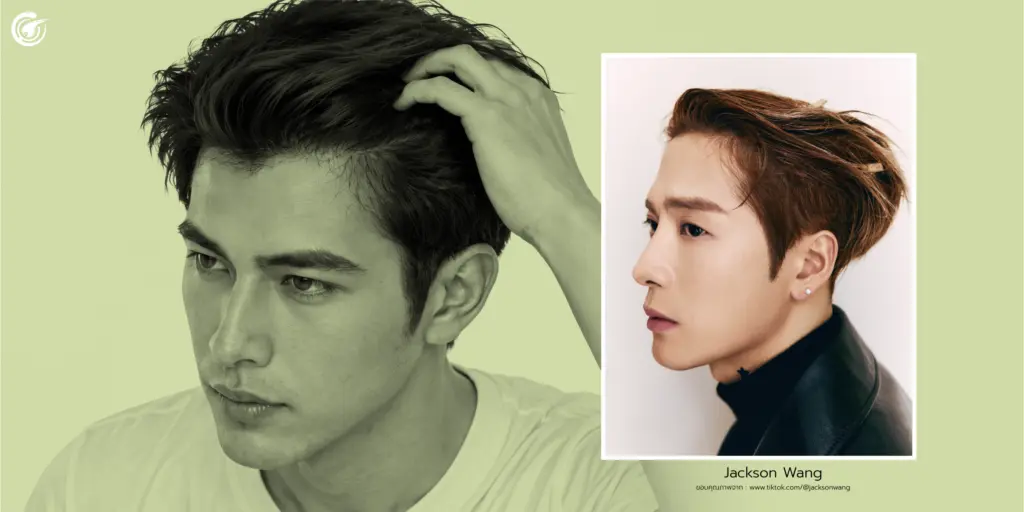
Traditional face-reading perspective: Some traditions regard this region as symbolic of financial reserves and stability. Deeply recessed temples are metaphorically described as a weakened boundary through which wealth may escape, while balanced lateral forehead contours are associated with financial security.
Medical hair transplant perspective: Many men experience hereditary hair loss that causes the frontal hairline to recede into an M-shaped pattern. As frontotemporal recession becomes more pronounced, the upper facial frame may appear interrupted, creating the impression of hollow temples even when the underlying soft-tissue volume has not changed.
Restoring hair in the frontal corners can help define and balance the facial frame. However, this does not mean every M-shaped recession should be completely filled. A naturally mature male hairline often retains appropriate frontotemporal angles and age-consistent recession.
The physician must assess the frontotemporal angle, where the frontal and lateral hairlines meet, as well as the temporal peak, the forward projection of the hairline at the temple. Excessively rounded contours may reduce the masculine definition sought by the patient, while incorrect hair direction in the temple area can create an unnatural appearance.
Key principle: Effective temple-area restoration aims to reduce excessive recession while preserving or rebuilding a facial frame suited to the individual—not simply filling every available space.
3. Guan Lu Gong (官祿宮): The Palace of Career and Authority
Location: The central forehead.
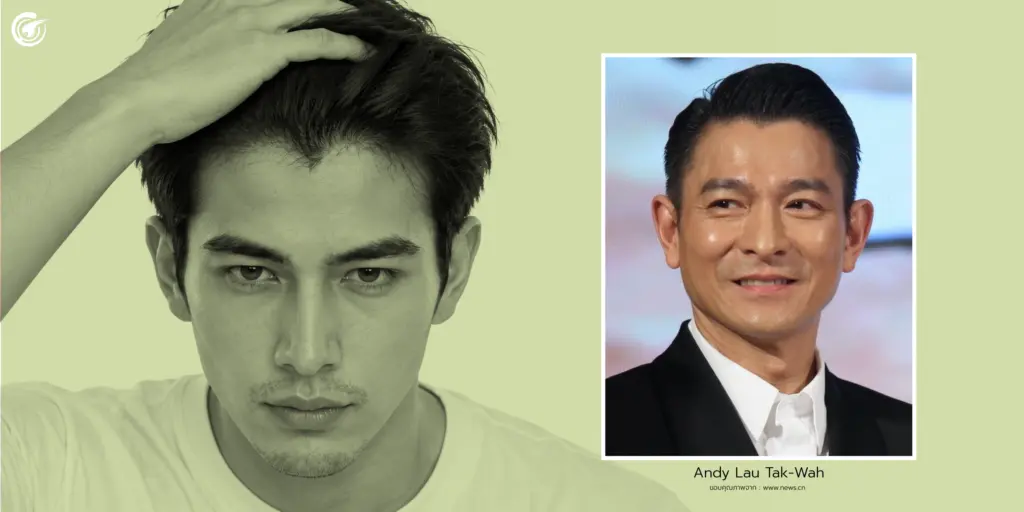
Traditional face-reading perspective: This region is associated with reputation, authority, decision-making, professional responsibility, career position, and advancement. A smooth, full, proportionate central forehead is traditionally interpreted as favorable for people in leadership roles.
Medical hair transplant perspective: The central forehead is an important element of overall facial proportions. Lowering the hairline too far, particularly in someone who already has a short forehead, can make the upper third of the face appear disproportionately small.
A natural-looking hairline also requires careful design. An overly straight, dense, or uniformly packed frontal border may appear artificial, almost as though it has been drawn onto the forehead.
To avoid this, physicians may incorporate subtle micro-irregularities, position single-hair follicular unit grafts along the leading edge, and gradually increase density farther behind the hairline. Implantation angles and directions should follow the natural growth pattern of the existing hair.
Key principle: A successful hairline does not need to be the lowest, straightest, or densest. It should look natural and complement the face from every angle.
Three Principles of Masculine Hairline Design: Preserve the Center, Restore the Corners, Refine the Temples
When traditional face-reading preferences are considered alongside medical hairline design, the approach can be summarized in three practical principles.
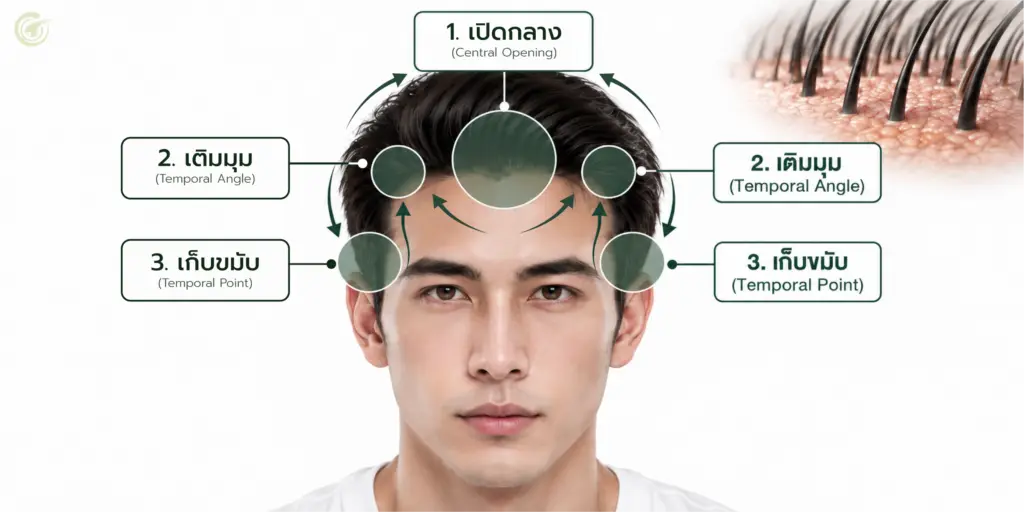
1. Preserve the Center
Maintain a central hairline height that suits the individual’s facial proportions. In traditional Chinese physiognomy, the central forehead encompasses Tian Ting (天庭), associated with fortune, and Guan Lu Gong (官祿宮), associated with career and authority. These areas are traditionally viewed as symbols of openness, vision, and opportunity.
Within that belief system, a very low hairline may be interpreted as reducing the sense of openness or leadership presence. Clinically, excessive lowering can also shorten the apparent forehead and complicate long-term hairline planning.
A glabella-to-hairline distance of approximately 7–9 cm may be a reference in selected patients, but the design must be individualized according to age and facial proportions. Concepts such as the golden ratio may inform aesthetic discussion but do not replace clinical assessment.
An appropriately positioned hairline may also support responsible graft planning. This is particularly important in younger men, whose existing hair behind the transplanted hairline may continue to thin. An excessively low hairline may become less harmonious as hair loss progresses with age.
2. Rebuild the Frontal Corners
In traditional Chinese physiognomy, pronounced M-shaped recession may be interpreted as an incomplete facial frame, symbolically associated with hardship or recurring obstacles.
From a medical perspective, the physician assesses the degree of frontotemporal recession and designs the frontotemporal angle to complement the central hairline.
The goal is not necessarily to create a straight hairline or eliminate the M shape completely. Instead, it is to establish a mature masculine hairline that retains definition, sophistication, and age-appropriate proportions.
3. Preserve or Refine the Temporal Points
In traditional Chinese physiognomy, Tian Cang (天倉), or the “heavenly storehouse,” is associated with wealth preservation. A well-defined temple contour is metaphorically likened to a protective boundary around one’s resources.
Not every patient requires transplantation in this area. For some, adjusting only the frontal hairline is sufficient to improve the overall facial frame.
When restoration of the temporal peak is appropriate, the design must integrate with the frontal hairline and account for density, angle, and direction. Temple hair typically lies relatively flat against the scalp, making this a technically sensitive area. Incorrect implantation angles can be particularly noticeable.
Together, these three principles aim to create more than a fuller hairline. They support a mature masculine hairline with natural proportions and definition that can remain aesthetically appropriate as the patient ages. Traditional Chinese physiognomy may associate such balance with credibility, composure, and authority; these symbolic interpretations should not be confused with proven effects on wealth or career success.
Importantly, the objective is not to create the same hairline for every man. It is to determine which areas should be preserved, restored, or refined to suit the individual’s facial structure.
Medical Hairline Design: Six Factors Physicians Assess Before Treatment
Two men may have similarly high foreheads or M-shaped hairlines, yet require very different designs. Appropriate male hairline restoration must account for facial anatomy, hair characteristics, and long-term treatment planning.
1. Age and Future Hair Loss
2. Donor Hair Reserve
3. Hairline Height
4. Hairline Shape and Frontotemporal Angle
5. Temporal Peak Position
6. Hair Characteristics, Density, and Implantation Direction
Personalized Hairline Design at BEQ Hair Clinic
A well-designed hairline is not a standard template applied to every male patient. The objective is to determine which areas should be maintained, filled, or reshaped to complement the face and provide a natural appearance over time.
At BEQ Hair Clinic, patients can consult a physician about personalized hairline design based on their existing hairline, hair and scalp condition, and individual goals. Those interested in traditional Chinese face-reading principles may also discuss their cultural preferences as part of the aesthetic planning process, while medical suitability remains the primary consideration.
Whether the concern involves frontal-corner recession, an M-shaped hairline, or temple restoration, the physician can assess the relevant factors and recommend an individualized approach to achieving a balanced, natural-looking facial frame.
What Hairline Suits Your Face Shape?
Discover more in our next article: “Choosing the Right Hairline for Men’s Face Shapes: How Should It Be Designed?”
Editorial note: Mian Xiang interpretations described in this article are traditional cultural beliefs, not medically established predictors of personality, career success, or financial outcomes. Hair transplantation is an aesthetic and medical procedure; outcomes vary by patient.
If you are interested in a hair transplant, or if you have concerns regarding the health of your hair or scalp, please feel free to contact us for further information:
📞 094-441-4965
📩 Line: @beq_haircenter
Click: http://line.me/ti/p/@beq_haircenter
Facebook: BEQ Hair Center
Instagram: beqhaircenter_dr.danai
Instagram: beq_hairclinic
Youtube: BEQ Hair Center
TIKTOK: beq_hair_center