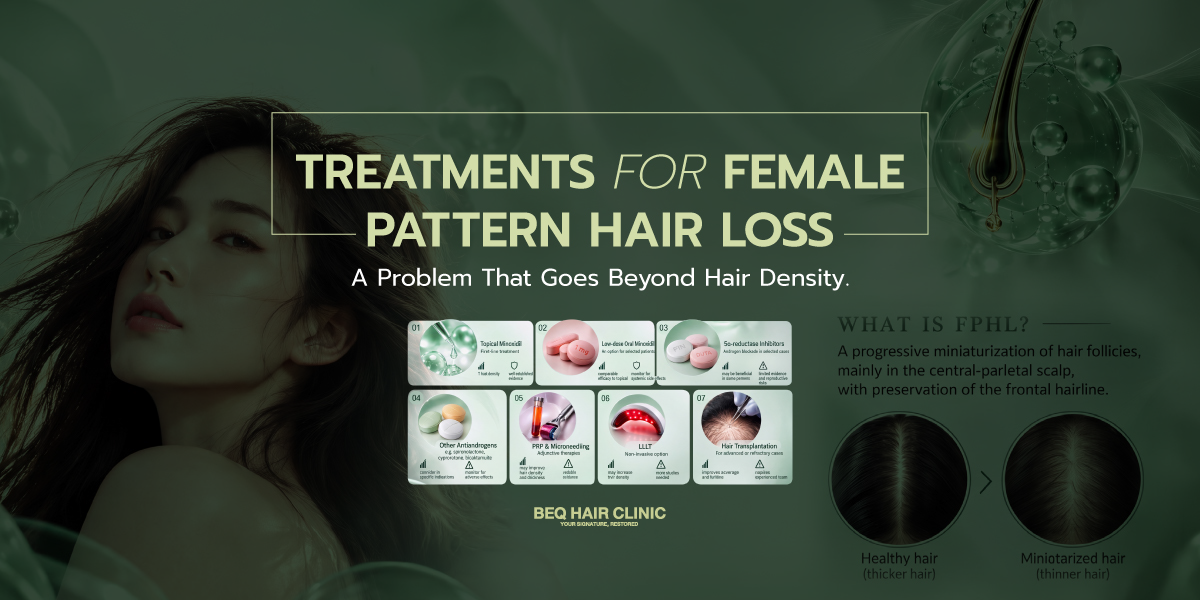
Androgenetic alopecia (AGA) is the most common form of nonscarring hair loss. It is characterized by progressive miniaturization of hair follicles (HFs) and shortening of the hair growth cycle. AGA affects both men and women. In men, it typically presents as recession of the frontal hairline and thinning in the temporal regions, commonly referred to as male pattern hair loss (MPHL). In women, diffuse thinning predominantly affects the parietal scalp, often with relative preservation of the frontal hairline; this is termed female pattern hair loss (FPHL).
Although finasteride and minoxidil are approved by the US Food and Drug Administration (FDA) for the treatment of AGA, advances in recent years have broadened the therapeutic landscape. Current approaches address multiple potential mechanisms, including androgen signaling, local blood circulation, inflammation, fibrosis, and hair-follicle energy metabolism. These developments have encouraged interest in multitarget interventions.
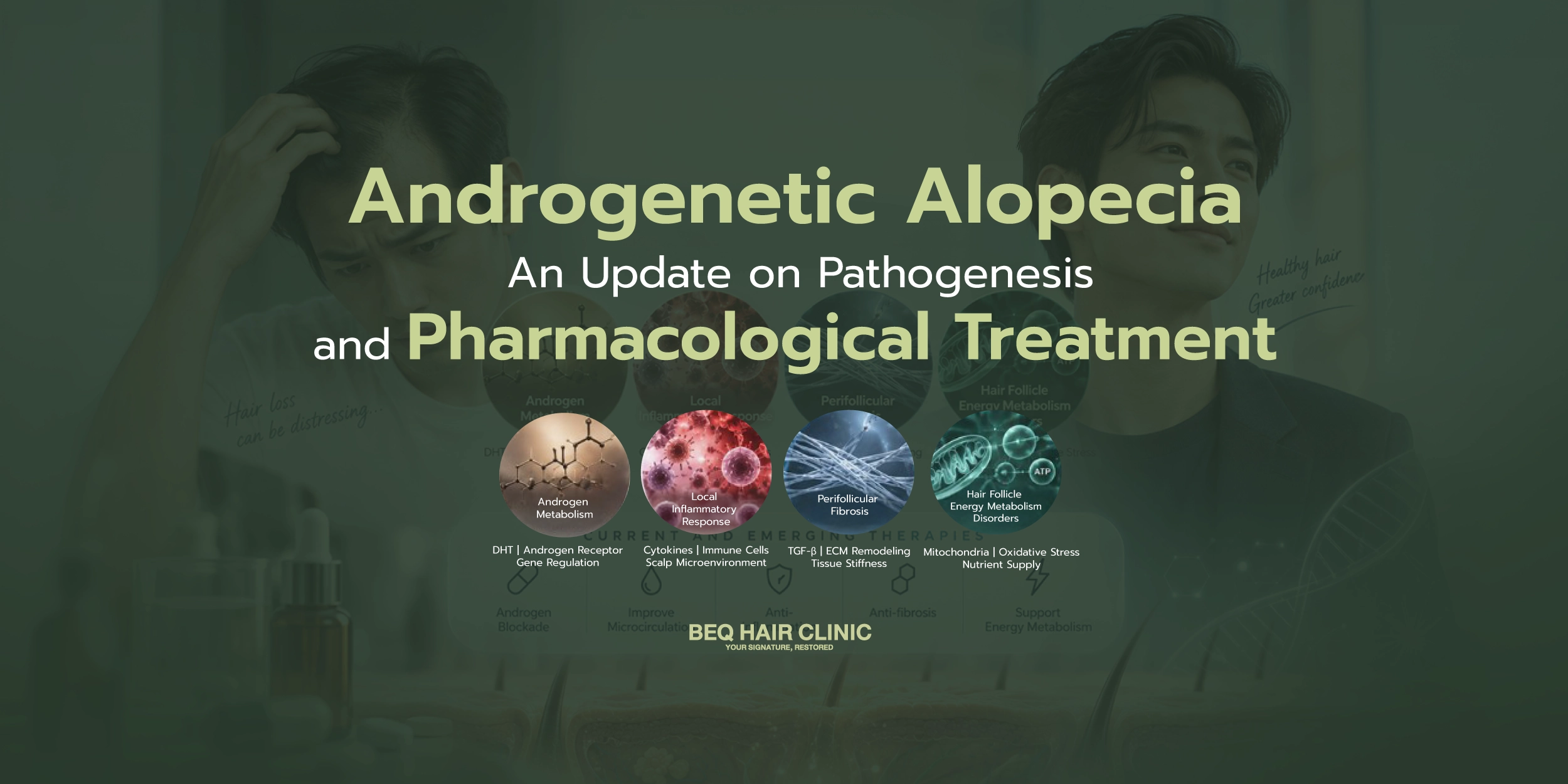
This review examines major mechanisms implicated in AGA—including androgen metabolism, local inflammatory responses, perifollicular fibrosis, and disturbances in follicular energy metabolism—and discusses the benefits and limitations of currently investigated pharmacological treatments. Drawing on clinical trials, systematic reviews, meta-analyses, and original research published between 2005 and 2025, it aims to provide an evidence-informed foundation for treatment decisions and future therapeutic development.
Pathogenesis of Androgenetic Alopecia
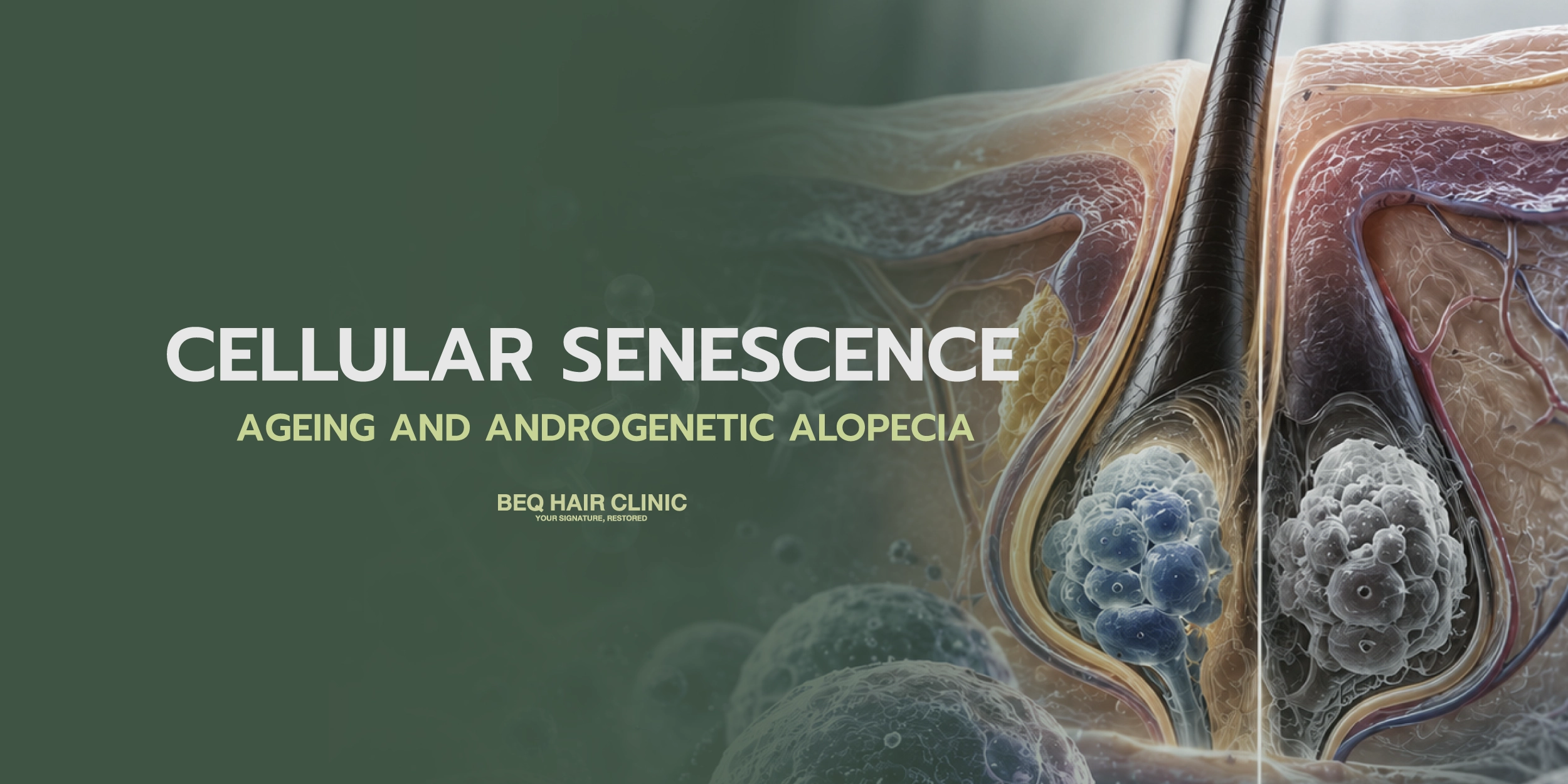
The precise pathogenesis of AGA remains incompletely understood. Earlier research focused primarily on androgen metabolism and genetic susceptibility. More recent investigations have highlighted additional contributing processes, including local inflammation, perifollicular fibrosis, and altered hair-follicle energy metabolism.
Androgen
Androgens play a central role in AGA, influencing follicular biology through several molecular pathways. At the cellular signaling level, androgens can stimulate dermal papilla cells (DPCs) to produce bioactive factors through paracrine and autocrine mechanisms. These include Dickkopf-related protein 1 (DKK-1), which promotes programmed cell death in outer root sheath cells; interleukin-6 (IL-6), which may suppress proliferation of follicular matrix cells; and transforming growth factor beta (TGF-β), which has also been linked to vascular calcification-related processes.
At the molecular level, androgen exposure has been reported to upregulate C-X-C motif chemokine ligand 12 (CXCL12) expression in dermal fibroblasts, accompanied by increased androgen receptor mRNA and follicular miniaturization under experimental culture conditions. These observations suggest a possible connection with inflammation-mediated hair loss. Androgens may also interfere with Wnt/β-catenin signaling, potentially impairing hair follicle stem-cell (HFSC) differentiation, and affect the phosphatidylinositol 3-kinase (PI3K)/AKT pathway and vascular endothelial growth factor (VEGF)-related cytoprotection, thereby promoting HFSC apoptosis in experimental settings.
Together, these findings extend our understanding of androgen action beyond its established hormonal effects to include complex molecular signaling within the follicular microenvironment.
Microinflammation
Clinical, histological, and transcriptomic investigations have described low-grade, chronic inflammation associated with AGA. Unlike the more destructive inflammatory processes characteristic of cicatricial alopecia, this microinflammation tends to be subtle and progressive and may accompany follicular miniaturization. Reported changes include alterations of the arrector pili muscle and sebaceous gland enlargement, sometimes accompanied by increased scalp oiliness or inflammatory conditions such as seborrheic dermatitis. These changes may create an environment favorable to pro-inflammatory microorganisms.
Histological findings in balding scalp have included lymphocytic infiltration, activated T cells, and mast-cell degranulation around hair follicles, particularly in the upper follicular region and near the stem-cell niche. Such inflammatory activity could directly or indirectly interfere with cyclical HFSC-mediated regeneration.
Microcirculation, Energy Metabolism, and Nutrition
Adequate blood perfusion is essential for supplying nutrients and oxygen to hair follicles. Disturbances in scalp microcirculation have therefore been proposed as a contributing factor in hair loss. One investigation reported that transcutaneous oxygen pressure in the frontal scalp of individuals with AGA was approximately 60% of that observed in controls without AGA. Experimental models have also linked androgen-associated TGF-β signaling with vascular calcification and microvascular deterioration, potentially reducing blood flow and creating local ischemic or hypoxic conditions that impair HFSC activity and favor premature entry into catagen.
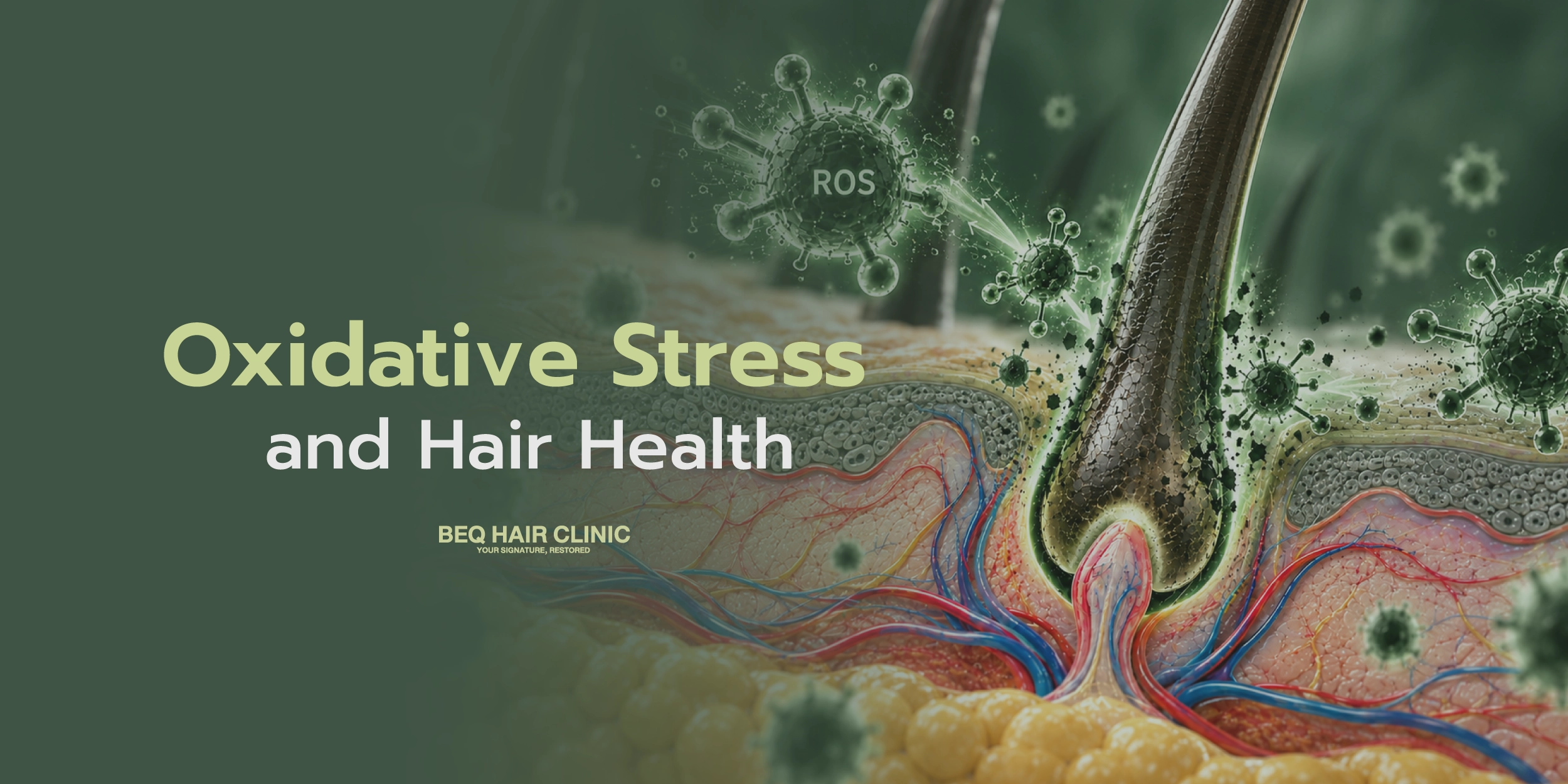
Mitochondrial dysfunction may reduce adenosine triphosphate (ATP) availability and increase reactive oxygen species (ROS), contributing to oxidative stress, cellular injury, premature senescence, and follicular degeneration. Excessive ROS may also activate apoptotic pathways. These proposed processes remain part of an evolving mechanistic model rather than a complete explanation of AGA.
Fibrosis
Some studies have identified inflammatory infiltration and fibrotic changes around miniaturized follicles in approximately 37% of examined AGA cases. Chronic involuntary tension in peripheral scalp muscles—including occipital, frontal, auricular, and temporal muscles—has also been proposed as a possible contributor to local inflammation and perifollicular fibrosis in susceptible tissue. Fibrosis may further impair follicular microcirculation, potentially establishing a self-perpetuating cycle of reduced perfusion and tissue remodeling.
Pharmacotherapy of Androgenetic Alopecia
Antiandrogen Drugs
5α-Reductase Inhibitors (5αRIs)
Finasteride and dutasteride are the principal drugs in this class. Reported reductions in scalp dihydrotestosterone (DHT) are approximately 64% and 92%, respectively. Oral treatment can be effective, but adverse effects may affect patients’ willingness to continue long-term therapy. This has prompted increased investigation of topical formulations.
A phase III randomized controlled trial of topical finasteride spray (50–200 μL/day) reported significant improvements in hair-count outcomes after 24 weeks compared with placebo, with lower systemic exposure than oral therapy. Reported local adverse effects include scalp itching, irritation, and contact dermatitis. Combining topical finasteride with topical minoxidil may provide additional benefit in selected patients.
Androgen Receptor Antagonists (ARAs)
Androgen receptor antagonists are particularly relevant to the management of FPHL. Spironolactone is an androgen receptor antagonist with modest 5α-reductase inhibitory activity and is used off-label for hair loss. Potential adverse effects include menstrual irregularities, dizziness, headache, skin rash, and hyperkalemia, reflecting its potassium-sparing diuretic action. Oral doses of 100–200 mg/day have been investigated, while topical formulations have been explored as alternatives intended to reduce systemic exposure.
Flutamide is a selective androgen receptor antagonist whose clinical use is limited by hepatotoxicity. Bicalutamide, a nonsteroidal androgen receptor antagonist, has also been investigated for FPHL. One comparative study reported more favorable results with bicalutamide 50 mg/day than with spironolactone 100 mg/day; however, potential adverse effects include transient liver-enzyme elevations, amenorrhea, endometrial changes, and migraine. These agents require careful medical selection and monitoring.
Cyproterone acetate is a synthetic steroid with antiandrogenic and antigonadotropic properties that competitively antagonizes the nuclear androgen receptor (NR3C4). In a 12-month comparison involving women with pattern hair loss, 2% minoxidil appeared more beneficial among participants with lower body mass index (BMI) and no clinical hyperandrogenism, whereas cyproterone acetate appeared more effective in those with higher BMI and features of hyperandrogenism.
Anti-inflammatory Drugs
Antifungal Agents: Ketoconazole
Studies of 2% ketoconazole shampoo have reported potential improvements in hair density in AGA. Proposed mechanisms include anti-inflammatory activity, effects on lipid-oxidizing enzymes and steroid-related pathways, and possible modulation of local androgen activity. Its antifungal properties may be particularly useful when AGA coexists with seborrheic dermatitis. Nevertheless, evidence for a direct AGA treatment effect remains limited, and larger studies are required. Ketoconazole is best regarded as a potential adjunct rather than an established replacement for first-line therapy.
Isotretinoin
Isotretinoin has anti-inflammatory effects, including modulation of toll-like receptors 2 and 4 (TLR-2 and TLR-4) in keratinocytes, sebaceous cells, monocytes, and other immune cells. It also suppresses sebum production by reducing sebaceous gland size and activity. Low-dose isotretinoin has therefore been discussed as a potential approach to modifying scalp inflammation, particularly in AGA accompanied by seborrheic dermatitis. Its use for AGA remains investigational and requires consideration of its established safety risks.
Vasodilators, Energy Metabolism–Related Agents, and Nutritional Supplements
Minoxidil
Minoxidil promotes vasodilation through ATP-sensitive potassium channels in vascular smooth muscle. It has also been associated with increased VEGF expression, angiogenesis, and improved blood perfusion, potentially supporting the follicular environment. Additional proposed actions include modulation of inflammatory cytokines and Wnt/β-catenin signaling.
Topical minoxidil is an established treatment for hair regrowth in AGA. Low-dose oral minoxidil (approximately 0.25–5 mg/day) has also been investigated and is sometimes considered for patients unable to tolerate or consistently use topical formulations. Because oral administration can produce systemic effects, including hypotension and hypertrichosis, individualized assessment and monitoring are essential. Evidence regarding long-term prevention of AGA progression with oral minoxidil remains less established.
An initial period of increased shedding can occur after starting either topical or oral minoxidil, potentially reflecting accelerated release of telogen hairs. Patients should be counseled about this temporary effect and the need for consistent treatment and follow-up.
Botulinum Toxin
Botulinum toxin type A (BoNT-A) induces localized muscle relaxation, which has been hypothesized to reduce tissue pressure and improve follicular blood flow. Experimental evidence also suggests potential downregulation of TGF-β-associated pathways implicated in perifollicular fibrosis. Small clinical studies have reported encouraging hair-growth outcomes, but the evidence is not sufficient to establish BoNT-A as a standard treatment for AGA.
Melatonin
Melatonin has antioxidant properties and has been associated with DNA-repair and mitochondrial protective mechanisms. Studies of topical melatonin in FPHL have reported an increase in the proportion of hairs in the growth phase. Further controlled studies are needed to establish its clinical role and optimal formulation.
Nutritional Supplements
Vitamins and minerals may support normal follicular function, antioxidant defenses, and the hair cycle, particularly when deficiencies are present. Vitamin D is involved in hair-cycle regulation; B vitamins, including folate and biotin, participate in nucleic-acid synthesis and amino-acid metabolism; and iron, zinc, copper, and selenium contribute to immune function, inflammation control, or antioxidant systems. However, evidence for supplementation in AGA is strongest when a relevant deficiency has been identified. Routine supplementation without deficiency has limited demonstrated benefit and should not replace established therapies such as finasteride or minoxidil.
Antifibrotic Drugs
No pharmacological agent is currently established specifically to reverse perifollicular fibrosis in AGA. Proposed approaches, such as BoNT-A-mediated changes in local blood flow, may influence processes associated with fibrosis indirectly, but their clinical efficacy remains uncertain.
Other Pharmacological Approaches
Prostaglandins
Prostaglandins (PGs) contribute to regulation of the hair-growth cycle. Prostaglandin E2 (PGE2) and prostaglandin F2α (PGF2α) have been associated with promotion of the transition from telogen to anagen, whereas prostaglandin D2 (PGD2) may inhibit hair growth through mechanisms including androgen receptor expression and suppression of Wnt signaling. Studies of AGA-affected scalp have reported reduced PGE2 and PGF2α and increased PGD2.
Prostaglandin analogues, including bimatoprost and latanoprost, have been investigated as topical treatments. A randomized controlled trial of 0.1% latanoprost in men with mild AGA reported increased terminal and vellus hair density after 24 weeks compared with baseline and placebo. These results are preliminary and do not establish a standard AGA regimen.
Cetirizine, in addition to antagonizing H1 histamine receptors, may influence prostaglandin production by suppressing PGD2 and promoting PGE2. A triple-blind randomized trial comparing topical 1% cetirizine with 2% minoxidil in FPHL reported improvements in hair diameter and density with cetirizine, although outcomes were less favorable than with minoxidil. Further research is needed to determine optimal concentrations and clinical indications.
Caffeine
Caffeine is a phosphodiesterase inhibitor and adenosine receptor antagonist that may increase intracellular cyclic adenosine monophosphate (cAMP), potentially influencing follicular cell proliferation and metabolic activity. Additional proposed effects include modulation of DHT-induced TGF-β1 and antioxidant activity. These remain proposed mechanisms and do not establish clinical efficacy.
A study comparing topical caffeine solution with 5% minoxidil in 210 men with MPHL reported broadly comparable improvements between the treatment groups. Although this suggests caffeine may warrant further investigation as a topical alternative, the totality and quality of evidence should be considered before drawing conclusions about equivalence.
Adenosine
Adenosine receptor activation can increase intracellular cAMP and may influence mitochondrial energy metabolism and Wnt/β-catenin signaling, providing a biological rationale for hair-growth effects. Available clinical findings suggest that adenosine may have some benefit, although evidence remains less convincing than that supporting minoxidil.
Janus Kinase (JAK) Inhibitors
JAK inhibitors suppress inflammatory cytokine signaling through the Janus kinase–signal transducer and activator of transcription (JAK–STAT) pathway. These agents have established or emerging roles in selected inflammatory hair disorders, particularly alopecia areata. Their potential application to AGA remains speculative, and they do not currently have an established role in its treatment.
Combination Therapies
Combination approaches seek to address more than one pathogenic pathway. Depending on the patient and available evidence, clinicians may consider combining pharmacological treatments with low-level light therapy, microneedling, platelet-rich plasma, or hair transplantation. Some combinations have demonstrated improved outcomes over individual interventions in clinical studies; however, the strength of evidence and the balance of benefits and risks vary substantially across treatment combinations.
Taken together, these developments demonstrate that AGA involves more than genetic susceptibility and androgen activity alone. A broader understanding of inflammatory, vascular, metabolic, and fibrotic processes has generated additional therapeutic possibilities, while established evidence-based treatments remain the foundation of care.
Article Summary
Androgenetic alopecia (AGA) is more than a genetic and androgen-driven condition. Emerging evidence highlights a complex interplay involving microinflammation, perifollicular fibrosis, impaired microcirculation, and disrupted hair-follicle energy metabolism, all potentially contributing to progressive follicular miniaturization. This evolving understanding is expanding AGA management beyond conventional DHT suppression and hair-growth stimulation toward a multitarget therapeutic strategy incorporating antiandrogen, anti-inflammatory, microcirculatory, metabolic, and emerging pharmacological approaches. Combination therapies may offer opportunities to address multiple pathogenic pathways simultaneously. Modern AGA management is therefore moving toward a more comprehensive and individualized approach designed to stimulate growth, preserve viable follicles, slow progression, and optimize long-term hair health.
Reference
Chen S, Li L, Ding W, Zhu Y, Zhou N. Androgenetic Alopecia: An Update on Pathogenesis and Pharmacological Treatment. Drug Design, Development and Therapy. 2025;19:7349–7363. doi:10.2147/DDDT.S542000. PMID: 40873858; PMCID: PMC12380480. https://pubmed.ncbi.nlm.nih.gov/40873858/
If you are interested in a hair transplant, or if you have concerns regarding the health of your hair or scalp, please feel free to contact us for further information:
📞 094-441-4965
📩 Line: @beq_haircenter
Click: http://line.me/ti/p/@beq_haircenter
Facebook: BEQ Hair Center
Instagram: beqhaircenter_dr.danai
Instagram: beq_hairclinic
Youtube: BEQ Hair Center
TIKTOK: beq_hair_center